Services
We focus on three, often interconnected areas:
Team Effectiveness, Commercial Uplift & Execution, and Leadership Development.
Diagnostics | Workshops | Conferences & Offsites | Programs | Consulting | Coaching
Team Effectiveness


Most organisations are
filled with capable, committed people.
Yet performance often bottlenecks at the team level. Teams are the primary mechanism through which results are achieved, but many never reach their potential.

WHAT WE SEE
Consistent Challenges Teams Face
Unclear purpose, priorities and measures of success
01
Conversations that stay polite rather than productive
02
Fragmented relationships and competing agendas – low trust
03
Strengths under-used - the whole is less than the sum of its parts
04
Lack of accountability
05
High-performing teams don’t happen by accident.
Decades of research clearly show that performance comes down to getting a few foundations right – and then building the right behaviours on top.
What Drives Team Performance
-

1. Gain Clarity
Define a shared purpose, strategy and success measures that everyone understands and owns. Establish boundaries, roles and expectations so the team knows what it exists to do and how it wins.
This creates the alignment essential to high performance. -
2. Form the Right Culture
Build trust, psychological safety and a team-first mindset. Encourage honest, timely conversations. Replace politeness with productive challenge. Foster norms that make collaboration the default, not an aspiration.
This is the behavioural layer – where teams learn faster, execute better and adapt more effectively. -
3. Build Capability & a Team Operating System
Ensure the right people are in the right roles, with the skills, mindset and rhythm to deliver. Establish operating mechanisms – cadences, decision-making processes, accountability structures – that sustain performance over time.


How We Work
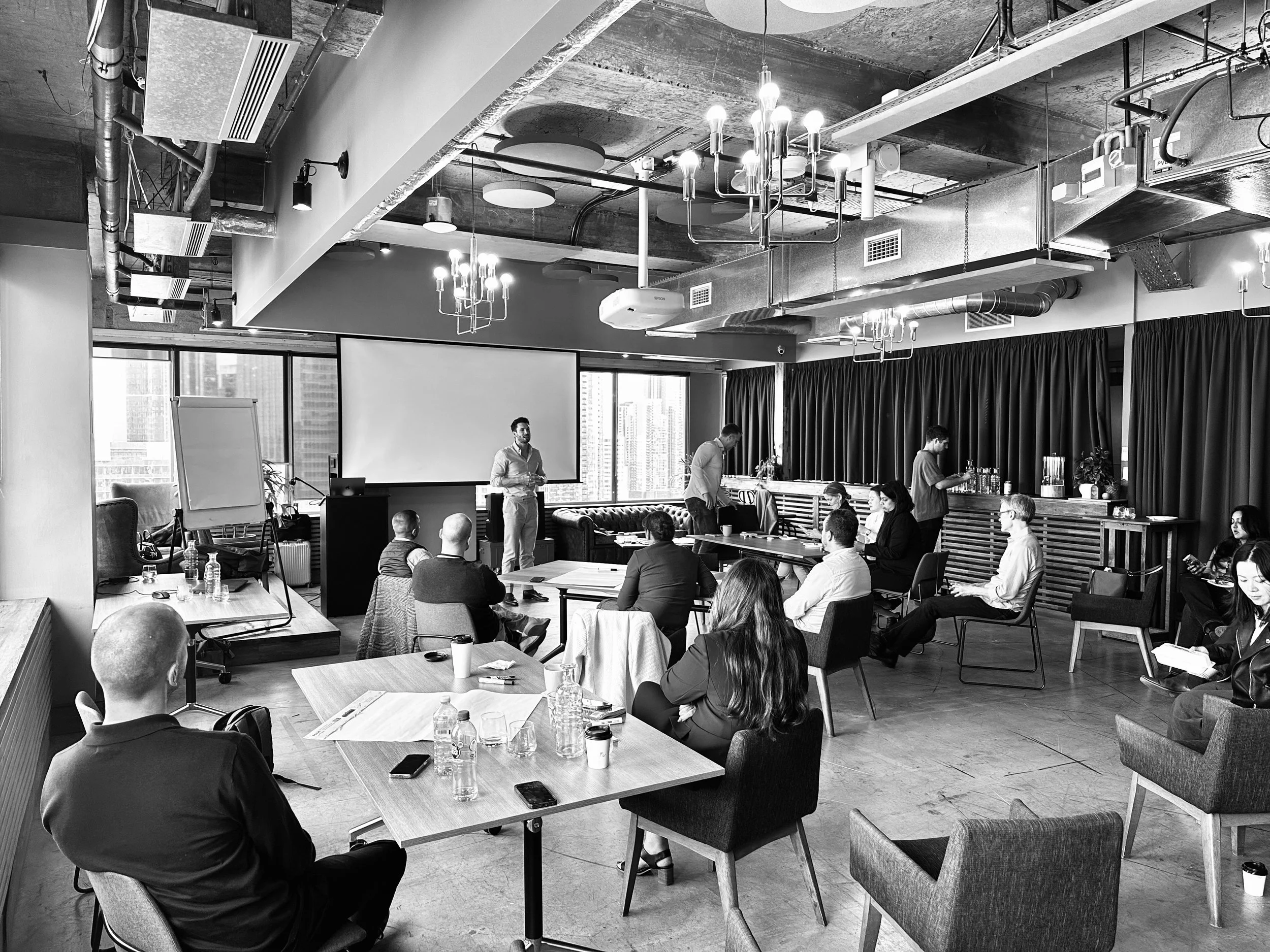
We work with leadership, functional and cross-functional teams through a mix of targeted offsites and longer-term development programs.

OUTCOME
Teams that
move faster, collaborate better and deliver more consistently.